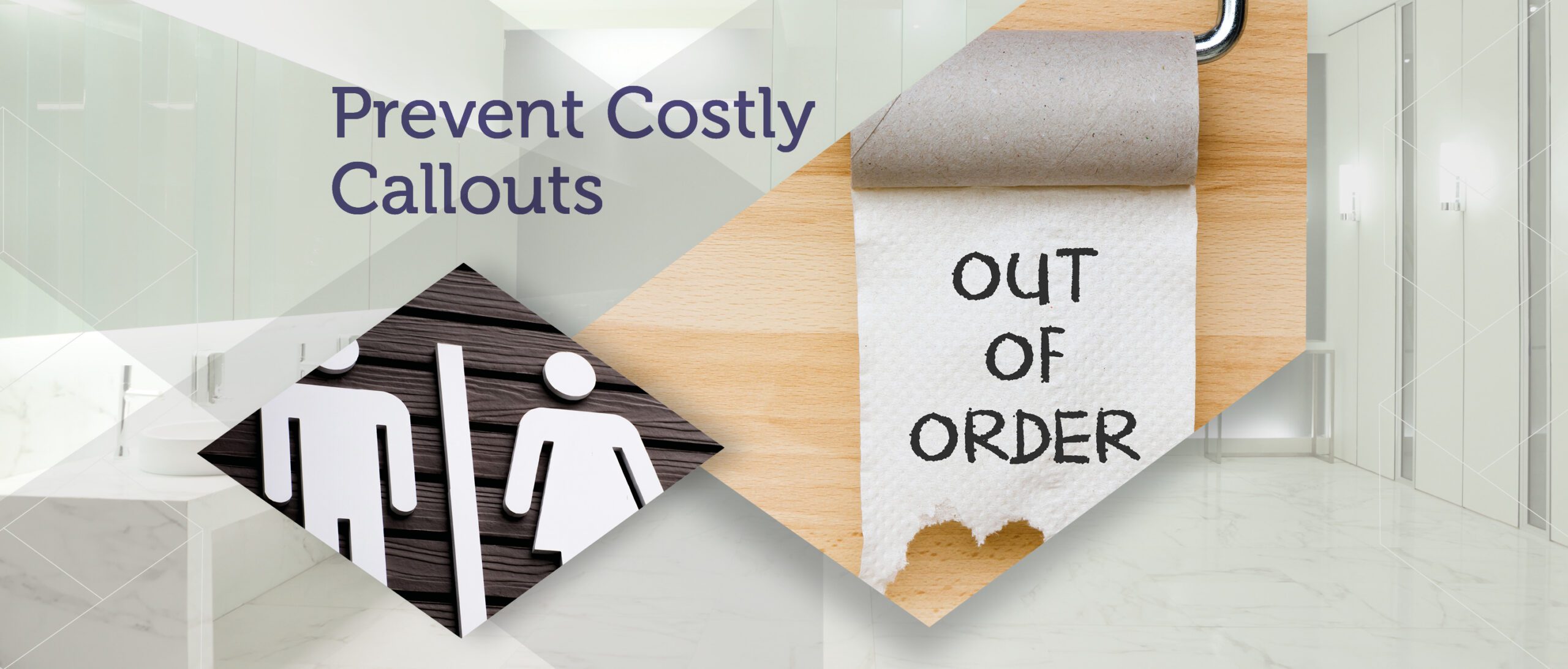
In our latest blog article were going to a look at one part of your facilities that you probably prefer not to think about too much. The toilets. They’re far from having any appeal beyond being a convenience for staff and customers. But does that mean you can afford to not care for them in the same way as other part of your building? But let’s look at why you should never leave loo maintenance to chance and instead have it within your PPM schedule.
Are Toilets Legally Required?
The way in which you provide toilets in your retail locations is largely down to the building layout and your requirements. The one option you don’t have though is to not bother. Workplace (Health, Safety and Welfare) Regulations 1992 is very clear guidance that retailers must provide employees with toilet and washroom facilities.
It becomes less clear around whether you should also provide facilities to customers. In reality though, hospitality venues rarely have no facilities for their customers. For a high street food takeaway, the opposite would be true. So, while your customers do not have a legal right to toilet facilities, the local authority may mandate them. They would do this under the Local Government (Miscellaneous Provisions) Act 1976.
When a Convenience Really Isn’t
While toilets are there for the convenience of staff or customers, they can at times also become a bit of a nuisance. The sheer volumes your toilet facilities may have to handle means that, over time, pipework can struggle to remove water and waste. Add to that the occasional misuse of facilities, and you have the real risk of blockages when you really don’t need them.
One thing to mention here is even toilets that are kept clean at room level can be susceptible to blockages. Poor drainage routes, disposal of unsuitable items such as wipes, lack of water flowing through to carry waste away, all can combine to block up your facilities.
The Obvious Results of No Maintenance
When staff or public toilet facilities stop working properly, you know about it very quickly. Flooding is the big issue as it can cause untold damage to your premises if not dealt with promptly. But there is also the problem of unpleasant odours seeping through your property too. It’s highly unpleasant and can drive your customers away very quickly. And result in having to close your doors until the problem is solved.
Preventing Issues with Loo Maintenance
So, the answer is to make sure your toilet facilities are regularly inspected and cleaned within your PPM schedule. The frequency of the visits depends on the venue, the facilities themselves and how much they are used. A restaurant or bar will need more frequent visits than a florist. But an annual inspection and clean will be sufficient for most retail properties. For hospitality, taking a little while to review the common issues with their toilets usually gives a good indication of what needs to be included in the plan.
But while prevention goes a long way to avoiding disasters, having fast access to local tradespeople for those emergency situations is also just as important. Which is why with Store Maintenance, we don’t just help you create and deliver cost-effective property maintenance plans.
With our huge network of highly skilled trades, we can also provide local help to fix problems quickly. So, rather than leave loo maintenance to chance, get in touch with us today and ask about how we can keep your retail location looking amazing and operating perfectly.